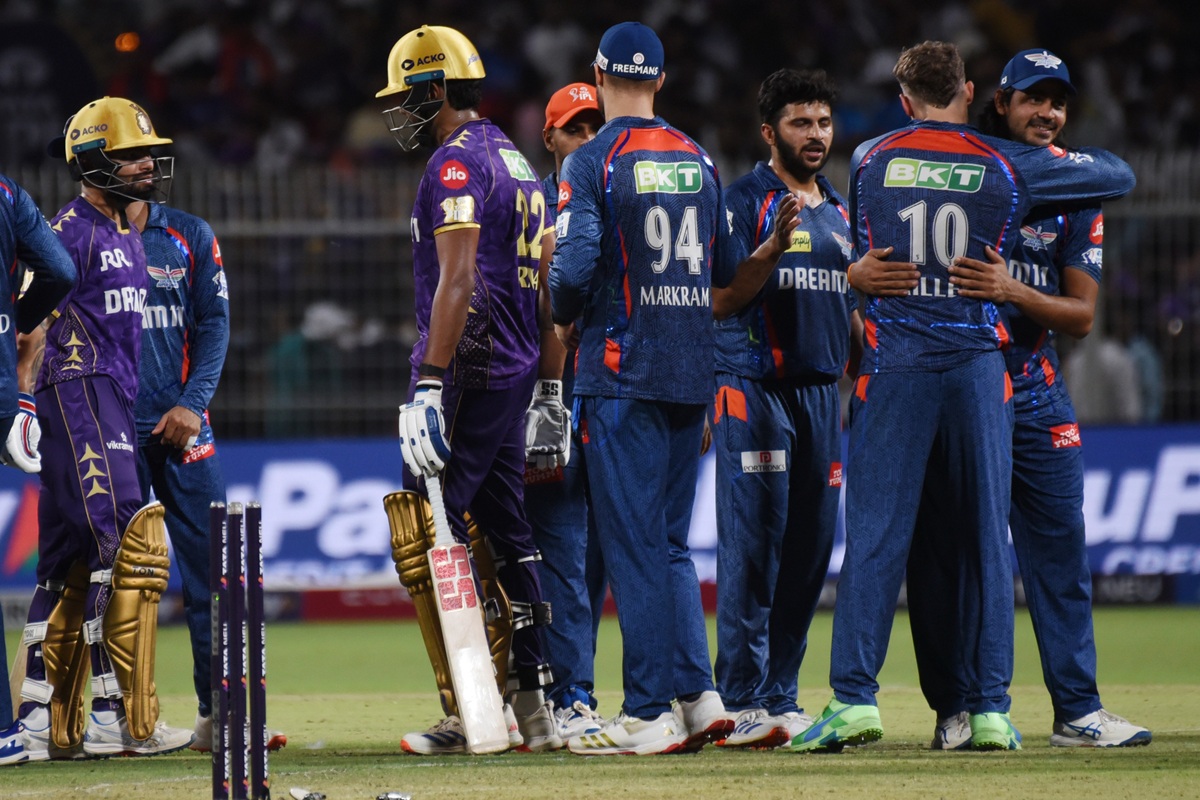
The IPL format can look simple at first. Ten teams turn up, big names arrive, and the matches come thick and fast. Yet once you look a little closer, the structure has more layers than many casual viewers realise. That is exactly why fans look forward to the IPL format every season.
Some want to know why one team can lose a few games and still stay in contention. Others wonder how the playoffs reward the top two sides. Meanwhile, newer viewers often ask why the net run rate suddenly becomes such a huge talking point in the final week.
So, this guide breaks the IPL format down in plain English. It covers the league stage, the points table, net run rate, the playoff system and why the structure creates so much drama. It also helps if you are following the competition from Britain and want the wider tournament picture alongside our guide to the IPL 2026 schedule in UK times.
What is the IPL format?
The IPL format combines a league stage with a playoff finish. Ten teams take part, and each side plays 14 matches in the regular season before the top four move into the knockout phase. You can track the live structure of the competition on the official IPL fixtures page, which shows how the season unfolds from the opening match to the final.
That matters because the IPL is not a straight knockout tournament. Teams have time to recover from a poor start. At the same time, they cannot drift for long because only four sides make it through.
As a result, the IPL format strikes a smart balance. It gives enough matches for quality to rise to the top, yet it still leaves room for late drama, momentum swings and high-pressure finishes.
How the IPL league stage works
In the league stage, every team plays 14 matches. They do not simply play every other side once. Instead, the schedule is designed so that each franchise faces some opponents twice and others once, while still ending with the same total of 14 league games.
That scheduling model matters because it shapes the table. A team can have a tough run against title rivals, or it can hit form during a kinder stretch of fixtures. Therefore, context matters when you judge the standings in the first half of the campaign.
The league stage also creates rhythm. Teams can build combinations, test overseas balance, manage bowling resources and react to injuries. That is one reason the IPL often feels deeper than a short knockout cup. It rewards squad planning as much as raw star power.
For a wider tournament view, you can also read What to Expect in IPL 2026: Teams, Stars and Big Surprises, which looks at the storylines shaping this year’s competition.
IPL points table explained
The points table is the backbone of the IPL format. It decides who reaches the playoffs and who goes home.
Here is the simple version:
- A win gives a team two points
- A no result or abandoned match gives one point each
- A defeat gives zero points
Because of that system, teams do not need to panic after one loss. However, they do need to keep collecting wins steadily. Usually, the race tightens sharply once sides move beyond eight or nine matches.
The points table also shows net run rate, often shortened to NRR. That figure becomes the key separator when teams finish level on points. So, the table is never just about wins and losses. It is also about how convincingly you win and how badly you lose. If you want to follow the standings during the season, the official IPL points table is the clearest place to watch the race develop.
Why net run rate matters so much
Net run rate is one of the biggest reasons people search for the IPL format explained. It sounds technical, but the basic idea is easy enough.
NRR compares how quickly a team scores with how quickly it allows opponents to score across the season. If you score fast and restrict sides well, your NRR rises. If you collapse cheaply or take a heavy beating, it drops.
That is why a team chasing 160 might not just want to win. It may want to win quickly. In the same way, a side defending 200 will still fight for every run even if the game looks lost, because reducing the margin can protect its table position.
Consequently, the IPL format makes almost every over meaningful. Even in matches that look decided, the table can still shift. That tension adds another layer to the tournament.
How the IPL playoffs work
The playoff system is where the IPL format becomes especially clever. The top four teams qualify, but the top two get a major advantage.
The structure works like this:
Qualifier 1
The teams that finish first and second in the league table meet in Qualifier 1. The winner goes straight to the final. The loser does not go out. Instead, it gets a second chance in Qualifier 2.
Eliminator
The teams that finish third and fourth play the Eliminator. This is sudden death. Lose that match and your season ends immediately.
Qualifier 2
The loser of Qualifier 1 then faces the winner of the Eliminator. The winner of this match takes second place in the final.
Final
The two surviving sides meet in the final to decide the champion.
This format rewards consistency. Finish in the top two, and you get two routes to the final. Finish third or fourth, and you have to survive sudden-death cricket from the start.
That is why the final week of the league stage often feels so intense. Teams are not only chasing a playoff place. They are chasing a top-two finish, which can completely change their odds of lifting the trophy.
Why the top two places matter more than fans think
Many casual viewers assume fourth place is almost as good as first. In the IPL format, that is not true.
A team finishing first or second has a safety net. It can lose once and still reach the final. By contrast, the sides in third and fourth have no margin for error at all. They must win back-to-back knockout matches just to get there.
Because of that, the top two spots are hugely valuable. They reward teams that perform across the full 14-match league stage, rather than just sneaking through late.
This is also why commentators keep discussing momentum and table position simultaneously. A side in fourth may have form, but a side in second has the route.
Does the IPL format feel fair?
On balance, yes. The format is built to reward strong teams without killing the chaos that makes T20 cricket fun.
First, 14 league matches give everyone enough time to prove themselves. Second, the playoff system makes sure the best two teams are rewarded. Third, the knockout edge for third and fourth keeps the drama alive.
Of course, no format is perfect. Fixture timing, travel, injuries and form swings all play a role. Some fans would still prefer a pure round-robin table where every side plays every other side home and away. Yet that would make the tournament longer and harder to follow.
So, the current IPL format works because it is competitive, commercial and easy to understand once you know the basics. It also suits a tournament that has become one of the biggest events in world cricket.
How the IPL format affects team strategy
The format shapes far more than the table. It changes how franchises build squads and manage risk.
In the league stage, teams can experiment a little. They may rotate overseas players, try a younger opener or tweak bowling plans for different grounds. However, once the playoff race tightens, flexibility gives way to urgency.
That is where squad depth matters. Teams need finishers, powerplay bowlers, death specialists and reliable spinners because the long league phase exposes weaknesses. The format rewards balance rather than hype.
You can see that same logic in the financial side of the competition, too. Strong squads are rarely built by chance, which is why our IPL salary guide helps explain how franchises spread money across stars, role players and emerging talent.
IPL format explained for new fans
If you are new to the competition, remember these five points:
Every team plays 14 league matches
That is the regular season. It is long enough for the table to mean something.
Two points for a win
That drives the standings and keeps the maths easy to follow.
Net run rate breaks ties
So, margins matter.
Top four reach the playoffs
Only four survive.
Top two get a second chance
That is the biggest twist in the IPL format and the main reward for consistency.
Once you understand those rules, the competition becomes much easier to follow. You start to see why one late collapse hurts more than another, why a quick chase matters and why finishing second can be almost as important as winning the final league match itself.
Final word on the IPL format
The IPL format works because it creates tension at every level. Early wins matter, but so does timing. Big victories help, but so does avoiding heavy defeats. Reaching the top four is important, yet reaching the top two can define the whole title race.
That mix is why the tournament stays compelling from the opening weekend to the final. Fans get the steady burn of a league campaign and the sharp pressure of knockout cricket in the same competition.
So, if you ever hear someone ask how the IPL format works, the answer is simple. Ten teams play 14 matches each, the top four go through, and the top two earn the clearest path to the trophy. Everything else, from net run rate to playoff pressure, grows from that structure.