Football tactics can sound complex at first. Yet some ideas are easier to understand once you watch where players move. The false 9 is a great example. It looks like a striker role, but it does not behave like a classic centre-forward role.
A traditional number 9 stays high, plays on the shoulder of defenders, attacks crosses, and looks to finish moves in the box. A false 9 does something different. Instead of staying up front, that player drops into deeper areas, links midfield and attack, and pulls centre-backs out of shape.
That movement can change an entire game. It can open space for wingers, create overloads in midfield, and make a defence hesitate for just long enough to lose control.
So, if you have ever asked what a false 9 does in football, this guide breaks it down in plain English.
What is a false 9 in football?
A false 9 is a forward who starts in the central striker position but regularly drops deeper instead of staying on the last line. The aim is to drag defenders out, help the team build attacks, and create room for runners from wide or midfield.
In other words, the player wears the shirt number and occupies the area of a number 9, but does not act like a fixed target striker. That is why the role is called “false”. The player appears to be a central striker, yet often plays more like an attacking midfielder during possession.
UEFA has described the role as one that helps create a numerical advantage by coming towards the ball, while also finding spaces that centre-halves do not always want to follow. FIFA analysis has also highlighted how false-9 movement can help a team receive the ball between the lines and turn in front of defenders.
What does a false 9 do in football?
The simple answer is this: a false 9 creates confusion.
However, the role includes several jobs within that one idea.
Drops into midfield
First, the false 9 leaves the highest line and drops into space between midfield and defence. That gives the team one more player in build-up play. As a result, it becomes easier to keep possession and progress the ball through the centre.
Pulls centre-backs out of position
Next, defenders must decide whether to follow. If a centre-back steps out, gaps appear behind the defence. If the defender stays put, the false 9 can turn, pass, and dictate play in a dangerous pocket of space.
That split-second doubt is often the real value of the role.
Creates space for runners
Because the false 9 vacates the central lane, wingers and attacking midfielders can attack the open space. This is why the role often works best with quick, wide forwards or advanced midfield runners.
Instead of one striker waiting for service, the whole front line becomes more fluid.
Links the attack
A good false 9 connects passes, combines in tight spaces, and helps move the ball from midfield into the final third. Rather than just ending attacks, the player helps build them.
Still arrives in scoring positions
Although the role is creative, it is not passive. The best false 9s still arrive late in the box, find pockets near goal, and score plenty. The movement is clever because it hides the danger until the last moment.
Why coaches use a false 9
Coaches use a false 9 when they want more control in possession and more unpredictability in attack.
That matters because many modern defences are compact. If a striker stands between two centre-backs all game, the defence can stay organised. Yet if that striker starts drifting away, passing lanes open and marking assignments become less clear.
A false 9 can be especially useful against deep blocks. UEFA’s technical analysis has noted that the role helps create an extra man around the ball and can force defenders into uncomfortable decisions.
It also suits teams that value movement over physical duels. So, rather than launching crosses toward a target man, those sides prefer short passing, rotations, and runners from different angles.
If you enjoy reading about how shape affects matches, you can also see how fluid attacking roles matter, as in World in Sport’s look at Antoine Griezmann’s tactical flexibility and its analysis of Manchester United vs Everton player ratings.
False 9 vs traditional number 9
This is where many fans get confused. Both roles start from the centre-forward slot, but they solve different problems.
Traditional number 9
A classic 9 usually:
- stays high up the pitch
- attacks crosses
- pins centre-backs
- finishes moves in the box
- plays with back-to-goal strength
False 9
A false 9 usually:
- drops into deeper areas
- combines with midfielders
- drags defenders out
- creates space for runners
- joins moves later rather than waiting at the end of them
Neither role is better in every system. It depends on the coach, the players around them, and the kind of defence they face.
For example, if a team needs aerial threat and penalty-box presence, a traditional 9 may be the smarter choice. On the other hand, if a side wants to dominate the ball and overload midfield, a false 9 may be perfect.
What qualities does a false 9 need?
Not every striker can play the role. In fact, the best false 9s often mix the brain of a playmaker with the instincts of a forward.
Awareness
The player must read space quickly. That includes knowing when to drop, when to stay high, and when to spin into the box.
First touch
Because the false 9 often receives between the lines under pressure, a clean first touch is vital.
Passing
This role is not just about movement. It is also about what happens next. A false 9 needs sharp passing, quick combinations, and the vision to release runners.
Decision-making
Timing matters more than almost anything else. Drop too early, and the move slows down. Stay too high, and the midfield overload disappears.
Finishing
Even though the role drifts deeper, the player still needs goals. The best false 9s do not stop being scorers. They simply score in a less predictable way.
Famous examples of the false 9 role
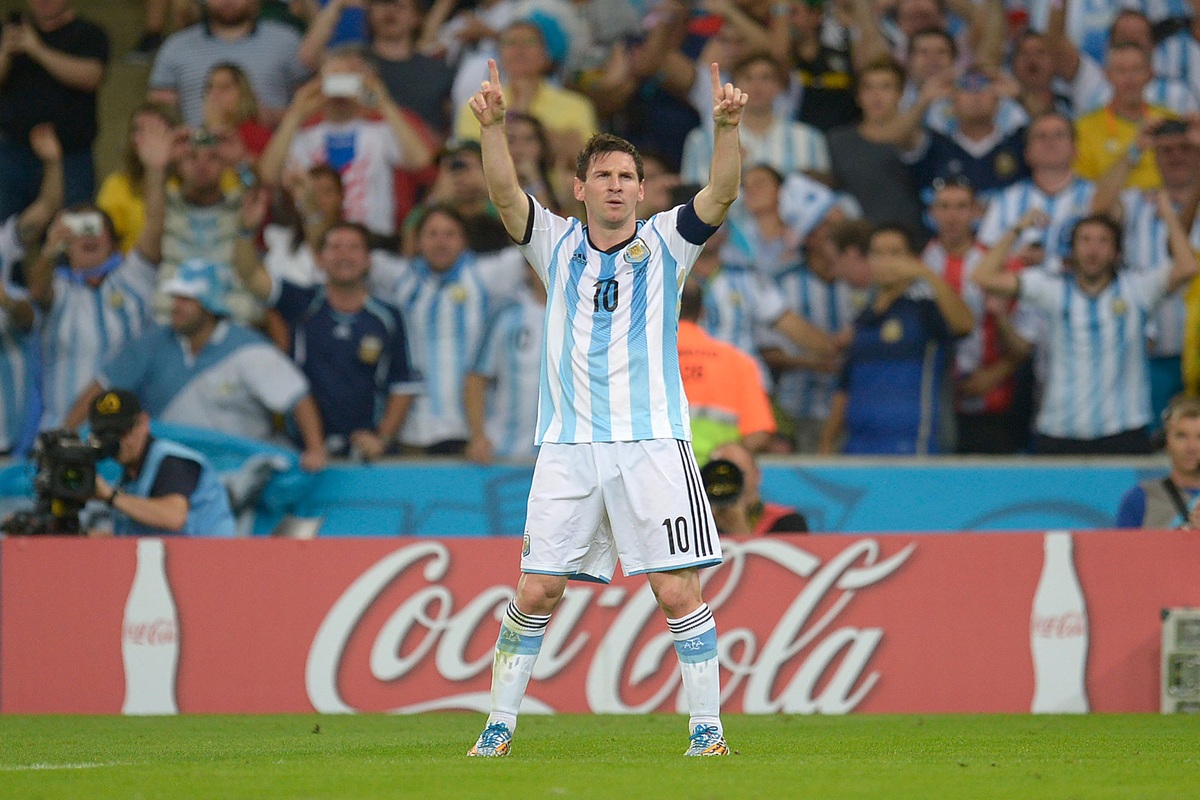
When many fans think of the false 9, they think of Lionel Messi under Pep Guardiola at Barcelona. That version helped define the role for a modern audience. FIFA has called it one of Guardiola’s most famous tactical decisions, while UEFA has referred to Messi as the original reference point in many conversations around the position.
Yet Messi is not the only example.
At different times, coaches and analysts have discussed players such as Harry Kane, Jamal Musiala, Cristiano Ronaldo, Antoine Griezmann, and Vivianne Miedema in false-9 or false-9-like movements, depending on the system and phase of play. UEFA’s technical pieces have pointed to these flexible interpretations when analysing elite matches.
That tells us something important. The false 9 is not one rigid position. It is a tactical idea. Different players perform it in different ways.
How the false 9 changes the whole team
A false 9 does not work in isolation. The role only thrives when the players around it understand the spaces being created.
Wingers must run inside
If the central striker drops deep and nobody attacks the gap, the move loses its edge. Therefore, wide players often become the real goal threat.
Midfielders must support the rotation
Because the false 9 steps into midfield zones, central players must rotate well. Otherwise, the team can crowd the same space and lose balance.
Full-backs often provide width
Since the front line becomes narrow and fluid, full-backs or wing-backs usually stretch the pitch. That width keeps defenders spread and makes central combinations more dangerous.
This is why the false 9 is less about one player and more about a shared attacking structure.
Is a false 9 good against every opponent?
Not always.
The role can be brilliant against teams that defend deep and protect the box with numbers. In those matches, movement and overloads matter more than raw physical presence.
However, against certain opponents, a team may need a striker who can hold up long balls, battle centre-backs, and provide a more direct outlet for the attack. If the game becomes stretched or physical, a classic number 9 can sometimes offer better balance.
So, the false 9 is a tool, not a magic answer.
Why the role still matters in modern football
Football keeps evolving, but space remains the key battle. The false 9 matters because it manipulates space in smart ways. It turns fixed defenders into uncertain defenders. It turns static attacks into moving attacks.
Even now, elite coaches still use versions of the role when they want greater control through the centre and more fluidity near the box. FIFA and UEFA technical analysis continues to reference false-9 movement when explaining how modern teams create overloads, disrupt backlines, and attack central spaces.
That is why the idea has lasted. It may look subtle, yet its effect can be huge.
If you want more football reading after this, World in Sport also has pieces on Crystal Palace’s tactical problems, Premier League players with a point to prove, and older match coverage that touched on a false-9 setup in tournament football.
Final word
So, what does a false 9 do in football?
The player starts as a striker but drops deep, links play, pulls defenders out of shape, and creates space for teammates to attack. In simple terms, a false 9 makes a defence think instead of simply reacting.
That is why the role feels so clever. It is not only about scoring. It is about movement, timing, and disruption.
Once you know what to watch for, the role becomes much easier to spot. Look for the central forward drifting away from the back line, receiving between the lines, and opening lanes for others. When that happens, you are probably watching a false 9 at work.